
What Is Traditional Cement Plaster?
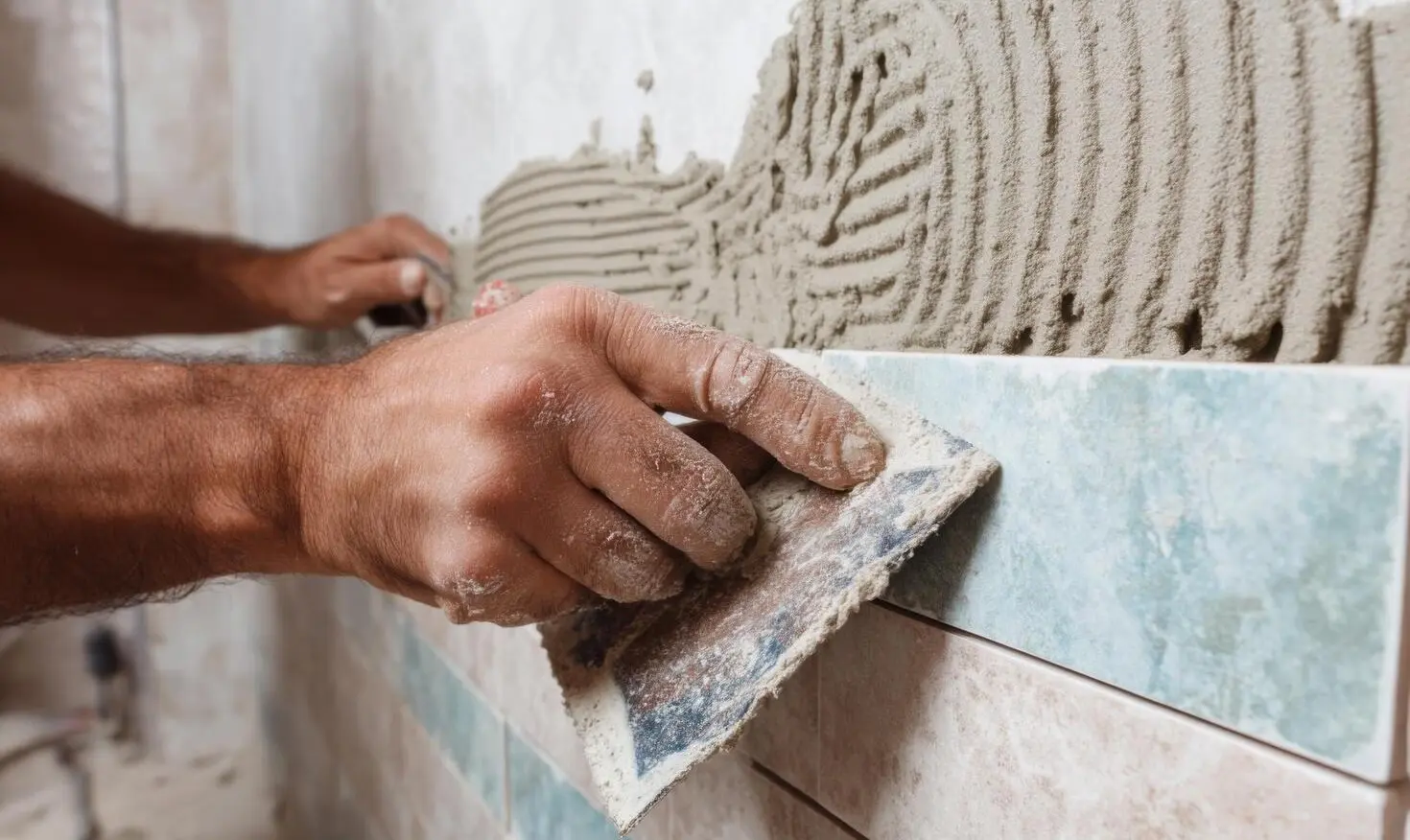
Traditional cement plaster is a site-mixed combination of Portland cement, fine aggregate (sand), and water in specified proportions (typically 1:4 or 1:6).
It is applied in one or two coats on brick, stone, or RCC block walls, followed by days of water curing to achieve mechanical strength.
What Is Gypsum Plaster?
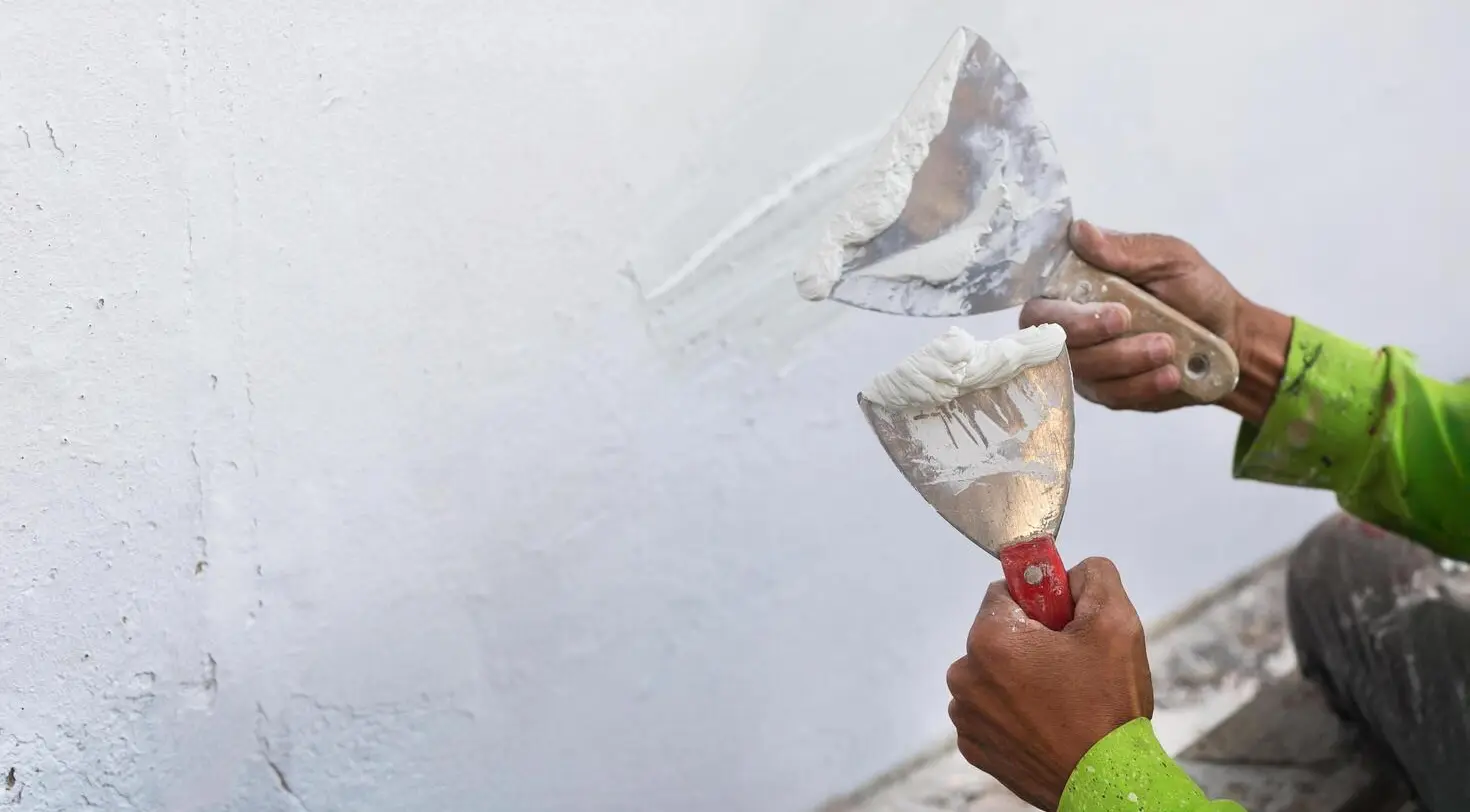
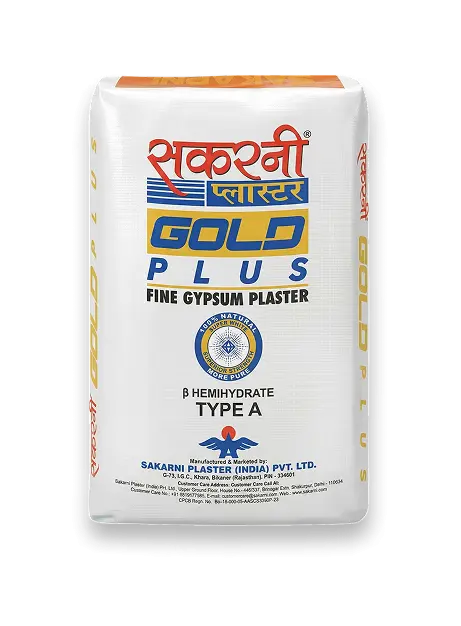
Gypsum plaster is a pre-mixed, dehydrated hemihydrate formulation prepared by heating gypsum rock. When mixed with water at the site, it creates a smooth, ready-to-apply paste.
It can be applied directly over bare brickwork, AAC blocks, or RCC surfaces without needing a separate cement-sand base coat or water curing.
Detailed Comparison: Key Parameters
1. Water Curing & Construction Speed
Cement Plaster: Requires continuous water curing for 7 to 14 days to hydrate properly and gain structural strength. This delays wall putty and paint application.
Gypsum Plaster: Requires zero water curing. It sets naturally within a few hours and completely dries in 3 to 4 days, allowing subsequent painting work to start almost immediately.
2. Surface Finish & Preparation
Cement Plaster: Leaves a rough, sandy, grey surface that requires 2 to 3 coats of wall putty and extensive sanding to create a smooth base for painting.
Gypsum Plaster: Produces a super-white, ultra-smooth, mirror-like finish. It acts as a 2-in-1 solution (plaster + base coat), significantly reducing or eliminating the need for thick wall putty.
3. Shrinkage & Crack Resistance
Cement Plaster: Highly susceptible to shrinkage cracks (hairline cracks) during drying, especially if the sand quality is poor or water curing is insufficient.
Gypsum Plaster: Experiences minimal drying shrinkage, resulting in a crack-free, uniform surface.
4. Structural Weight & Dead Load
Cement Plaster: Heavy (approx. 1800–2000 kg/m³), adding significant dead weight to high-rise structures.
Gypsum Plaster: Around 35% to 50% lighter (approx. 900–1000 kg/m³), reducing the overall structural load on multi-storey buildings.
5. Fire Resistance & Thermal Insulation
Cement Plaster: Non-combustible, but provides standard thermal insulation.
Gypsum Plaster: Contains chemically combined crystal water (CaSO4⋅21H2O). In the event of a fire, this water is released as steam, acting as a natural fire-retardant barrier. It also provides better thermal insulation, keeping interiors cooler.
6. Moisture & Weather Suitability (Critical Difference)
Cement Plaster: Highly water-resistant and weather-tolerant. Mandatory for exterior walls, bathrooms, damp-prone basements, and open balconies.
Gypsum Plaster: Sensitive to persistent moisture and dampness. Strictly recommended for internal dry walls and ceilings only.
7. Cost & Material Wastage
Cement Plaster: Involves raw material management (cement, river/M-sand storage), on-site batching errors, and significant rebound loss (wastage) during application.
Gypsum Plaster: Factory-formulated pre-mix with minimal application rebound loss. While gypsum bags may have a higher unit cost, they save substantial labor cost, water expenses, putty coats, and project time.
Gypsum Plaster vs Cement Plaster: Quick Comparison Table
Factor | Gypsum Plaster | Traditional Cement Plaster |
|---|---|---|
Primary Base | Dehydrated Gypsum Mineral | Cement + Sand + Water |
Water Curing | Zero water curing required | Requires 7–14 days of water curing |
Setting & Drying Time | Sets fast; dries in 3–4 days | Takes 15–21 days for full drying/curing |
Surface Finish | Ultra-smooth, super-white finish | Rough, sandy grey finish |
Putty Requirement | Minimal to zero base putty needed | 2–3 coats of wall putty mandatory |
Crack Formation | High resistance to shrinkage cracks | Prone to hairline shrinkage cracks |
Application Area | Internal walls & ceilings only | Internal & external walls, wet areas |
Moisture Resistance | Low (degrades under active water) | High (weather and water resistant) |
Dead Weight | Lightweight (reduces load) | Heavy structural weight |
Fire & Thermal Insulation | Superior (natural crystal water barrier) | Standard |
Which Is Better for Your Project?
Choose Gypsum Plaster if:
You are plastering interior walls or ceilings (living rooms, bedrooms, offices, dry commercial zones).
You want a fast-track project timeline and want to avoid the mess and water consumption of 14-day curing.
You want glass-smooth, crack-free walls with superior paint coverage.
Choose Cement Plaster if:
You are plastering exterior walls, boundary walls, and facades.
The area is exposed to moisture or continuous water contact (bathrooms, kitchens, external balconies, basements).
You are working on structural foundation leveling where weather protection is paramount.
Final Verdict
For modern interior wall finishing, gypsum plaster is the superior, more efficient, and premium alternative because it eliminates water curing, speeds up project completion, and creates a crack-free finish.
For all exterior and wet-area applications, traditional cement plaster remains the indispensable standard.